


Arabica and Robusta are two different coffee species, and the difference isn't marketing spin. Arabica grows slower, tastes more complex, and costs more. Robusta grows faster, hits harder on caffeine, and rarely reaches specialty grade. If you've ever wondered why some bags brag about being "100% Arabica," this is why.
TL;DR
- Arabica and Robusta are genetically different species, not roast levels or brand names.
- Robusta carries roughly double the caffeine of Arabica (1.7-4.0% vs 0.8-1.4% dry mass), but that bitterness comes from chlorogenic acid, not just caffeine.
- Specialty grading (SCA, 80+ points) is built around Arabica's flavor range; Robusta almost never qualifies.
- Robusta earns its place in cheap blends and crema-heavy espresso: it's not "bad" coffee, just a different job.
- Camino's single-origin lots are 100% Arabica, because that's where the flavor actually lives.
What's the Difference Between Arabica and Robusta Coffee?
Arabica (Coffea arabica) and Robusta (Coffea canephora) are two distinct coffee plant species with different genetics, growing needs, and flavor outcomes. Arabica accounts for about 57.6% of global production, Robusta the remaining 42.4%, out of 177.5 million 60kg bags produced in 2023/24 (International Coffee Organization, 2024).
Genetically, they're not close cousins so much as an odd family tree. Arabica is tetraploid (double the usual chromosome set) and self-fertile. It arose through natural hybridization between Robusta and a wild species called C. eugenioides, roughly 665,000 years ago, according to genome sequencing published in Nature Genetics (2024).
Robusta, in contrast, is diploid and self-incompatible, meaning it needs a genetically different plant nearby to pollinate. That quirk of biology also makes Robusta hardier. It resists disease and pests better than Arabica ever will, which is exactly why farmers in tougher climates lean on it.
Where They Grow
Arabica wants altitude and cool air: 1,200 to 2,200 meters, with temperatures between 15 and 24°C (FAO, agronomy reference). Slower growth at altitude means the cherry has more time to develop sugar and acidity before it's picked.
Robusta doesn't need any of that. It thrives at 200 to 1,000 meters and tolerates heat up to 30°C. That's a big reason it's cheaper to farm at scale, lower elevation land is easier to find and less exposed to frost risk.
Why Does Robusta Have More Caffeine Than Arabica?
Robusta beans contain roughly double the caffeine of Arabica, 1.7-4.0% of dry mass versus 0.8-1.4% (HPLC-DAD study, PMC, 2021; ScienceDirect, 2019). Caffeine is a natural pesticide for the plant, so Robusta simply makes more of it to survive at lower, buggier altitudes.
That extra caffeine isn't the only thing driving Robusta's harsher taste. Chlorogenic acid, a compound linked to bitterness and astringency, sits at 7.0-14.4% in green Robusta versus 4.0-8.4% in green Arabica (ScienceDirect, 2019). More chlorogenic acid means a rougher, more astringent cup, even before you factor in the caffeine.
Robusta and Arabica aren't just different in the bag, they're different at the genetic level: Robusta carries roughly double Arabica's caffeine (1.7-4.0% vs 0.8-1.4% dry mass) and nearly double its chlorogenic acid (7.0-14.4% vs 4.0-8.4%), the compound most responsible for bitterness, per peer-reviewed HPLC-DAD analysis (ScienceDirect, 2019).
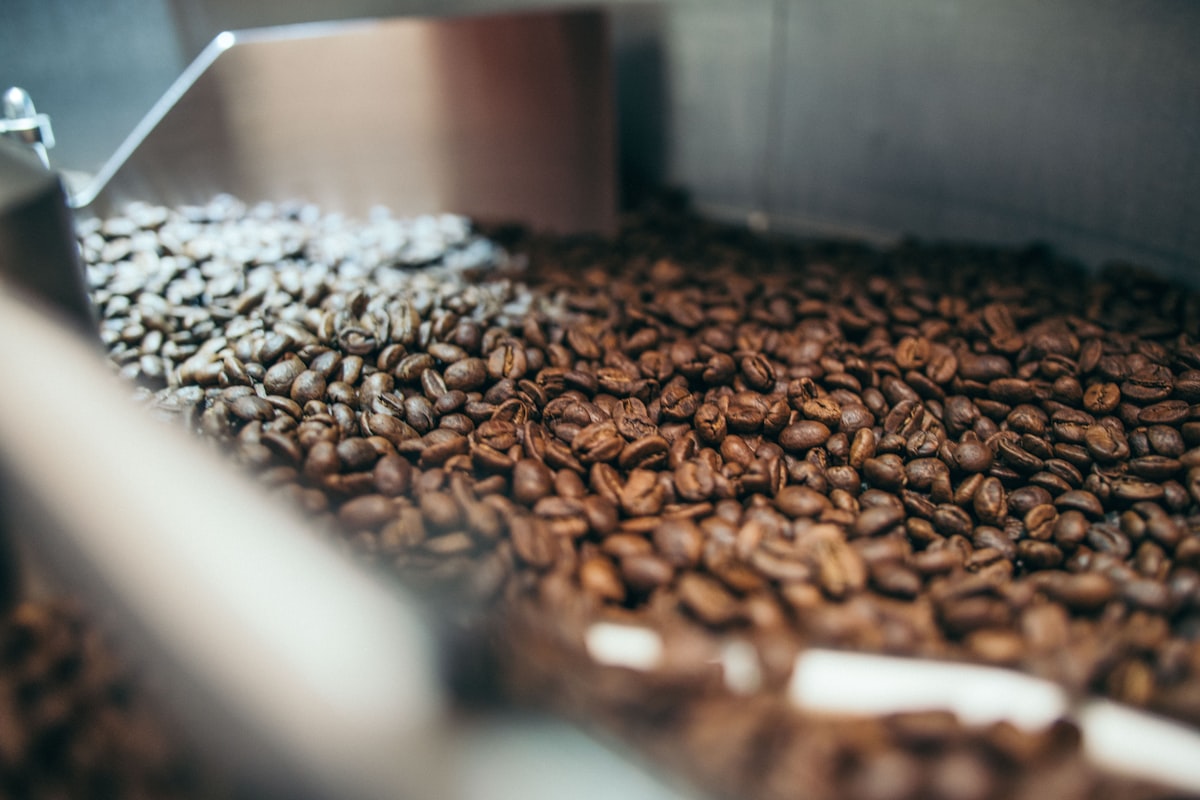
Here's the part most "Arabica vs Robusta" articles skip: the same chlorogenic acid that makes Robusta bitter also breaks down during roasting into compounds tied to a flatter, more rubbery flavor profile. That's not an opinion, it's roughly why Robusta rarely shows the bright, layered notes specialty roasters chase.
What Do Arabica and Robusta Actually Taste Like?
Arabica typically tastes sweeter, more acidic, and more aromatic, with notes ranging from fruit to florals to chocolate depending on origin and process. Robusta tastes heavier, more bitter, and often earthy or woody, largely a result of its higher chlorogenic acid content (ScienceDirect, 2019).
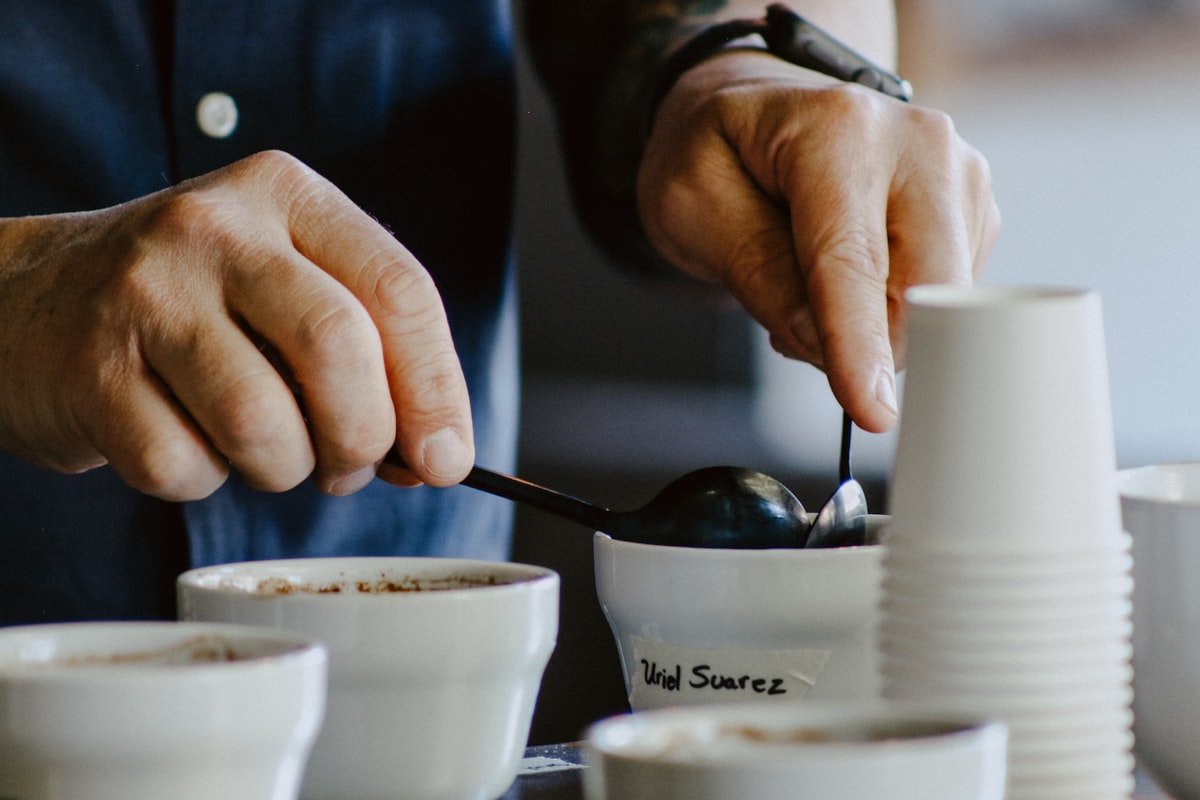
Fat content plays a bigger role in mouthfeel than people expect. Green Arabica beans run about 15-17% lipid content by dry weight, compared to 7-10% in Robusta (ScienceDirect lipid study, 2022). More lipid means more body and a smoother texture on the tongue, part of why Arabica can taste "rounder" even before you get to sugar or acidity, higher fat content contributing directly to that fuller finish. In our own cupping sessions, single-origin Arabica lots consistently show a longer, sweeter finish than any Robusta sample we've run side by side.
None of this makes Robusta "bad" coffee. It makes it a different tool. Robusta brings crema and body to espresso blends, and its lower cost keeps everyday coffee affordable. That's a legitimate job — just not what single-origin specialty coffee is built for.
Why Specialty Roasters Almost Never Use Robusta
The Specialty Coffee Association sets the bar for specialty-grade coffee at a cupping score of 80 or higher on a 100-point scale (SCA, specialty grading standard). That protocol was built around Arabica's flavor range. Robusta essentially never clears it.
This is the chemistry reason specialty brands skip Robusta almost entirely, not snobbery, cupping mechanics. The SCA's 100-point protocol scores sweetness, acidity, and clean finish, exactly the traits Robusta's higher chlorogenic acid and lower lipid content work against. It's not that graders dislike Robusta. It's that the cup rarely produces the flavor characteristics the scorecard rewards.
Arabica-Robusta Blends: What They're Actually For
Arabica-Robusta blends exist mainly to cut cost and boost crema in commercial espresso, not to improve flavor. Most "best of both" blends use Robusta to thicken body and stretch the bag further, a tradeoff that sacrifices clarity for cheaper cups (SCA cupping standard, grading reference).
You'll see plenty of bags marketed as "the best of both worlds," combining Arabica's flavor with Robusta's crema and caffeine kick. That's a real formula, and it works for a certain style of espresso, particularly Italian-style blends built for milk drinks where body matters more than nuance.
We've cupped blends side by side with single-origin Arabica lots more times than we can count, and the pattern holds: blends taste "fine," single-origin Arabica tastes specific. A blend from three regions and two species averages out; a single farm and one harvest tells you exactly where it came from, in the cup.
That's the actual case for 100% Arabica, not a purity rule for its own sake, but a flavor argument. When Camino sources a single-origin lot, the goal is a cup that tastes like that specific farm and altitude, not an average blended across species and origins.

Why Are Camino's Single-Origin Lots 100% Arabica?
Camino's single-origin lots are 100% Arabica because flavor traceability requires it. Blending species or origins averages out the distinct sugar, acid, and lipid profile — Arabica alone runs 15-17% lipid content versus Robusta's 7-10% — that makes one farm's harvest taste different from another's, the opposite of what specialty coffee is trying to show you.
Single-origin means every bag comes from one farm or cooperative, grown at one altitude, processed one way. That's the whole point of buying single-origin instead of a blend: a lot exists to show what one specific origin tastes like on its own, not diluted by a second species chasing lower cost or higher crema. Every lot we source is chosen because it clears the specialty bar on its own, not because it's propped up by a blend.
This isn't a knock on Robusta as a plant or a category. It's a genuinely disease-resistant, high-yield crop that keeps everyday coffee affordable worldwide. It's just not what you reach for when the goal is showing off what one origin can do. Want to see what that looks like in practice? Explore the origin lineup or read the specialty coffee explainer for the full grading picture.
How Roast Level Interacts with the Bean
Roast level changes how these bean differences show up in the cup, but it doesn't erase them. A dark roast can mute Arabica's acidity, while a lighter roast lets Robusta's harshness show through more, not less. If you're dialing in roast preference, the roast-level comparison breaks down exactly what changes at each stage.
Arabica and Robusta by the Numbers
Arabica dominates global production at roughly 102.1 million 60kg bags versus Robusta's 75.4 million, out of 177.5 million bags total in 2023/24 (ICO Coffee Market Report, 2024). The EU27 alone consumed about 41.9 million bags in 2025/26, nearly a quarter of world demand (European Coffee Federation, 2024-2025 report).
Coffee isn't a side hustle for the EU economy either. The sector generates €84.4 billion in gross value added and supports roughly 1.5 million full-time-equivalent jobs across the bloc (European Coffee Federation / Europe Economics, June 2026 report). More than 70% of Europeans drink coffee daily (European Coffee Federation), so this isn't a niche preference question, it's a daily habit for most of the continent.
On the commodity markets, Arabica trades as "Coffee C" on ICE Futures US, priced per pound, while Robusta trades on ICE Futures Europe, priced per tonne, both by long-standing market convention. Arabica has historically traded at a meaningful premium over Robusta on those exchanges, a gap that tracks pretty closely with the flavor and grading differences covered above.
Frequently Asked Questions
What's better, Arabica or Robusta?
Neither is universally "better," they're built for different jobs. Arabica wins on flavor complexity and specialty grading (SCA threshold: 80+ points), while Robusta wins on caffeine content, roughly double Arabica's at 1.7-4.0% versus 0.8-1.4% dry mass, and cost. For sipping and tasting origin character, Arabica leads.
Why 100% Arabica?
100% Arabica means no blending with Robusta to cut cost or boost crema, so the cup reflects one species and, in Camino's case, one specific origin. Arabica also carries more fat (15-17% lipid content vs Robusta's 7-10%), giving it a fuller, smoother mouthfeel that supports clearer flavor notes.
What's the difference between Arabica and Robusta beans?
Arabica and Robusta are genetically different species: Arabica is tetraploid and self-fertile, Robusta is diploid and needs cross-pollination (Nature Genetics, 2024). Arabica grows at higher altitude (1,200-2,200m) with a sweeter, more acidic profile; Robusta grows lower and hotter with a bitterer, higher-caffeine cup.
What's the difference between Arabica and Robusta coffee beans?
Beyond genetics, the practical difference is in the cup and the bag. Robusta has roughly double Arabica's caffeine and nearly double its chlorogenic acid (7.0-14.4% vs 4.0-8.4%, ScienceDirect, 2019), which drives its harsher, more bitter taste. Arabica costs more to farm and typically tastes noticeably smoother.
The Short Version
Arabica and Robusta aren't rival brands, they're different plants doing different jobs. Arabica grows slow, at altitude, and rewards that patience with more sugar, more fat, and a flavor range that actually earns a specialty cupping score. Robusta grows fast, resists disease, and packs nearly double the caffeine, useful, just not what you reach for when you want to taste a specific farm.
That's why Camino's single-origin lots stay 100% Arabica: not as a marketing rule, but because blending in Robusta would average out the exact thing worth tasting. If you want to see what a single origin actually tastes like, explore the current single-origin lineup — different farms and altitudes, all tasted side by side. Got more questions? Check the FAQ page or read about how we source.


